

The development of smart factories, intelligent devices, and connected systems has increased the demand for stable communication infrastructure. Behind these systems, electronic components work together to maintain signal transmission and power performance. Magnetic components are widely used because they can support electrical isolation, energy conversion, and noise control. Mentech provides customized magnetic component solutions for communication, power, and new energy applications, helping engineers understand how different components fit into modern electronic designs.
The Connection Between lan transformer and Network Signal Quality
In communication equipment, signal quality depends on the coordination of multiple circuit components. A lan transformer is designed to support Ethernet communication by providing isolation between network circuits and external connections.
When data signals travel through network equipment, electrical interference may affect transmission stability. Magnetic components help manage these conditions through their internal structure, allowing communication devices to maintain suitable electrical characteristics during operation.
Engineers selecting network magnetic components usually consider several factors, including frequency response, insulation requirements, mounting method, and system compatibility. These details influence whether a component can meet the needs of specific communication equipment.
Why Electrical Isolation Matters in Connected Devices
Electrical isolation is an important design consideration in many electronic systems. It helps separate different circuit sections while allowing signals or energy to transfer between them. This design approach is widely used in communication equipment, industrial controllers, and power conversion systems.
The structure of magnetic components determines how effectively they perform isolation functions. Core materials, winding methods, and insulation layers all affect the final characteristics of the component.
In large-scale industrial networks, equipment may connect with different devices across various locations. Proper component selection helps reduce design challenges caused by electrical differences between circuits and supports more stable system operation.
Factors Affecting Magnetic Component Selection
Selecting a magnetic component requires understanding both product specifications and application conditions. Engineers need to evaluate electrical parameters, mechanical dimensions, temperature range, and installation requirements before making a decision.
For industrial applications, operating environments can vary significantly. Equipment may face high temperatures, long working hours, or limited installation space. These conditions require components that match the technical requirements of the complete system.
Mentech develops customized magnetic products according to customer application needs. They provide solutions covering communication components, power electronics, and automotive-related magnetic devices, supporting different engineering projects with specific requirements.
Technical Review of TTAPQ53-1943DG
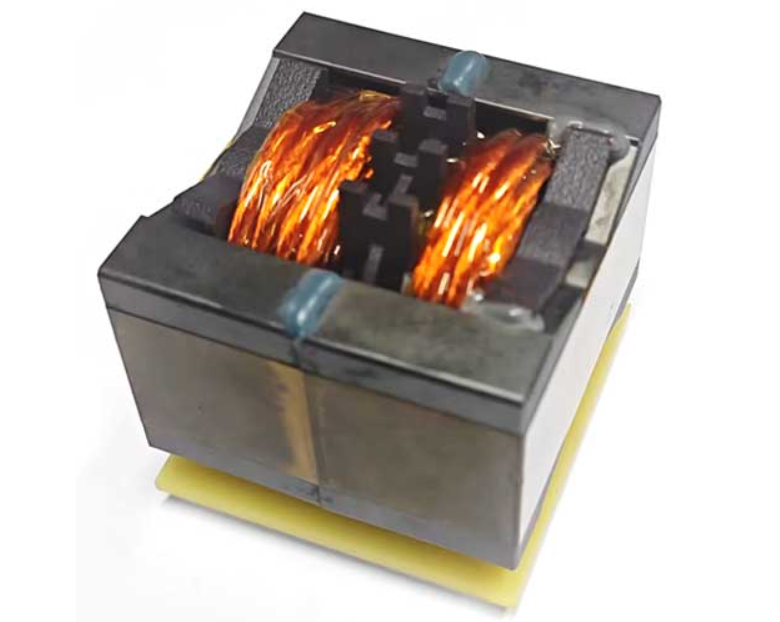
The TTAPQ53-1943DG is an example of a customized magnetic component designed with detailed engineering specifications. It uses a PQ53 core type and adopts a DIP mounting structure, with dimensions of 53mm in length, 51mm in width, and 50mm in height.
The product uses LLC topology and supports a power rating of 3.3KW. These specifications make it suitable for engineers evaluating magnetic components for systems that require defined power conversion characteristics.
The TTAPQ53-1943DG provides a primary-to-secondary Hi-Pot rating of 3600V. It also meets AEC-Q200 Grade1 requirements and supports an operating temperature range from -40℃ to 125℃. These technical details provide reference points when considering component integration into industrial or automotive-related electronic systems.
Customization Helps Match Complex Product Designs
Electronic product development often involves different requirements based on application scenarios. A communication device, power system, or vehicle electronics platform may have different expectations for size, performance, and environmental adaptability.
Customized magnetic component development allows manufacturers and engineers to discuss requirements before production. Through adjustments in structure, electrical design, and manufacturing methods, components can better match the intended application.
This development process is especially important for B2B customers who create specialized equipment. Instead of selecting components only from general specifications, they can evaluate solutions according to actual system conditions.
Communication Technology and Magnetic Component Development
As connected devices continue to increase, communication systems require components that support higher integration levels and reliable operation. Network equipment manufacturers need to consider not only data transmission but also the interaction between different electronic parts.
The future development of magnetic components will continue to focus on compact structures, application flexibility, and compatibility with evolving electronic systems. Engineers who understand component characteristics can make more effective design decisions.
Conclusion: Building Stable Systems Through Suitable Component Selection
Communication equipment depends on many supporting components working together, and magnetic devices provide important functions such as isolation and signal management. Choosing a suitable lan transformer requires attention to electrical performance, structural design, and application environment.
As communication systems continue to evolve, components need to meet different requirements in data transmission, stability, and integration. Engineers often evaluate factors such as size, electrical parameters, and compatibility before selecting magnetic solutions for specific equipment designs.
With experience in magnetic component development, Mentech supplies customized solutions for communication and power applications. Their products are designed to support different electronic system requirements, including applications that involve signal transmission and power management.
Their products, including TTAPQ53-1943DG, provide detailed specifications for engineers evaluating components used in different electronic system designs. By considering technical requirements and application conditions, designers can select suitable magnetic components for reliable system integration.
