

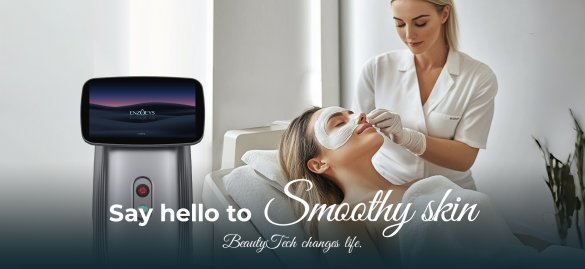
Navigating technical parameters across non-invasive photothermal equipment requires assessing wavelength cohesion, pulse delivery dynamics, and energy dissipation efficiency. Selecting a professional diode laser hair removal machine allows aesthetic practices to deliver consistent photothermal destruction of follicular targets without damaging surrounding epidermal layers. Equipment developers like ENZOEYS design modular platforms that optimize light delivery, accommodating busy clinical schedules while maintaining operational safety.
Optical Energy Uniformity and Collimation Engineering
Beam collimation and energy distribution influence how consistently laser energy is delivered across the treatment area. Traditional light systems often experience energy scattering as light travels through handpiece assemblies. Advanced optical designs minimize divergence, concentrating light energy uniformly across the beam footprint.
Incorporating a proprietary FAC lens with 4 interchangeable spot sizes refines optical collimation for distinct body contours. Collimated energy prevents localized hot spots while maintaining steady energy depth, supporting consistent thermal action whether treating delicate facial areas or broader anatomical zones.
Waveguide Dynamics and Optical Output Efficiency
Traditional handpieces utilize solid waveguides to guide light onto the skin surface. However, internal reflections within standard light conduits can cause subtle optical power loss and increase handpiece bulkiness, creating physical strain during extended treatment sessions.
Modern engineering solves this friction by utilizing a waveguide-free handpiece design that maximizes optical energy output. Removing physical light guides decreases overall handpiece weight while maximizing photon delivery directly to target tissue sites.
Advanced Surface Cooling and Thermal Stabilization
Sustained laser exposure elevates epidermal temperatures rapidly during high-frequency hair reduction procedures. High thermal buildup without adequate dissipation creates discomfort for patients and increases risks of post-treatment inflammation or superficial thermal injury.
Equipping handpieces with advanced chiller cooling reduces epidermal temperatures continuously throughout radiation cycles. Active contact chilling maintains surface comfort and shields the stratum corneum, enabling operators to apply required energy densities safely.
This thermal stabilization not only improves patient tolerance during longer sessions but also allows clinicians to maintain consistent energy output without prematurely terminating treatment due to overheating concerns. The result is a more predictable clinical response, fewer adverse events, and higher patient satisfaction—factors that directly contribute to repeat bookings and positive word-of-mouth referrals.
Multi-Wavelength Versatility Across Fitzpatrick Phototypes
Follicle depths and melanin concentrations vary substantially across different skin types and anatomical regions. Operating a versatile laser hair removal machine enables practitioners to tailor pulse lengths and light spectra to match varying client demographics effectively.
Integrating multiple complementary wavelengths—such as 755nm, 808nm, and 1064nm—allows thermal energy to reach superficial, mid-dermal, and deep follicular structures. This multi-wavelength configuration provides greater flexibility for different skin types and treatment requirements.
Pre-Calibrated Operating Modes and Workflow Efficiency
Manual configuration of pulse duration, fluency, and repetition rates increases operational setup time between appointments. Inconsistent parameter choices across clinical staff members can also produce uneven clinical outcomes or variable client satisfaction levels.
Modern systems streamline clinical operation by incorporating 7 intelligent modes calibrated for various skin types and indications. Automated baseline parameters help clinicians configure settings rapidly, maintaining treatment accuracy across diverse patient profiles.
These pre-calibrated modes also serve as a valuable training tool for less experienced staff, providing a reliable starting point that reduces trial-and-error during initial patient consultations. By standardizing parameter selection while still allowing fine-tuning for individual cases, clinics achieve greater consistency across providers—ultimately building patient trust through repeatable, predictable results.
Duty Cycles and Continuous Operational Capacity
Commercial aesthetic practices require robust internal cooling systems to maintain continuous clinical operations. Inadequate heat exchange mechanisms can lead to thermal shutdown during peak operational hours, disrupting client booking schedules.
Platforms designed for 24/7 operation can support demanding treatment schedules and sustained daily use. Such operating capability can support facilities with high treatment volumes and demanding daily schedules.
Multi-Application Capability and Cost Effectiveness
Acquiring dedicated single-purpose devices often limits a clinic’s operational flexibility and increases initial capital outlay. Facility administrators increasingly favor multi-functional platforms that handle broad treatment varieties through modular handpiece attachments.
Deploying a single laser hair removal machine capable of handling both hair reduction and epidermal rejuvenation allows facilities to maximize equipment utilization. Systems like the SuperTouch S500 cover 80% of high-frequency clinic procedures, providing high operational utility for growing practices.
Equipment Engineering and Long-Term Value Assessment
Evaluating long-term device value requires looking beyond initial purchase figures to examine overall maintenance demands. Durable internal components reduce unexpected downtime and lower ongoing servicing costs over the machine’s operational lifecycle.
Selecting a well-built diode laser hair removal machine provides stable performance, predictable consumable costs, and high client throughput. Reliability in hardware architecture directly supports steady business operations and patient satisfaction over time.
Conclusion
Understanding structural differences in optical delivery, cooling, and software calibration helps medical aesthetic facilities select high-performing platforms tailored to patient care needs. Advanced systems like the SuperTouch S500 showcase how combining micro-optics, active surface chilling, and versatile operating modes elevates clinical efficiency. Hardware solutions developed by ENZOEYS allow modern practices to integrate a durable diode laser hair removal machine or multi-purpose laser hair removal machine, supporting daily treatment demands and operational growth.
